Need roof cleaning in Fort Myers? Call (239) 382-6804 now or send photos for a flat quote. We kill Gloeocapsa algae streaks with soft-wash instead of pressure - safe on tile, shingle, and metal roofs across Lee County. Upfront pricing, no surprises.
Free instant quote
Why Fort Myers calls Caloosa Coast Roof Cleaning
Roof cleaning in Fort Myers is not about scrubbing - it is about killing the Gloeocapsa algae at the root with soft-wash chemistry that is safe on concrete tile, shingle, and metal. High pressure strips granules off shingles and risks cracking tile. Our soft-wash method uses low pressure plus a specialized cleaner that kills the black streaks at the root, so they don't grow back within weeks. We protect landscaping, pool cages, and siding from runoff, and we work from the perimeter to avoid damaging tile. Call (239) 382-6804 or send photos for a flat Fort Myers roof cleaning quote before anything starts.
Call or send photos first - we diagnose the roof type (tile, shingle, or metal) and give you one flat number for your Fort Myers roof cleaning - not an hourly guess.
Low pressure kills Gloeocapsa at the root without stripping shingle granules or cracking tile. Safe on concrete tile, architectural shingle, and metal roofs across Lee County.
Our solution is formulated for Lee County's salt film and humidity - we don't just bleach, we protect. Results last longer because the growth is killed, not just rinsed off.
Every quote is a fixed number given before anything begins. If something is not right after we leave, say the word and we'll come back and make it right.
Caloosa Coast Pressure Washing provides professional pressure washing in Fort Myers, FL. Upfront, flat pricing and workmanship you can count on. Get a fast, no-obligation quote today.
Roof Cleaning · Fort Myers, FL
Those dark runs down a Fort Myers roof are Gloeocapsa algae, fed year-round by the damp subtropical air holding over Six Mile Cypress Slough. We apply a low-pressure cleaning solution that kills it at the root, so no one is up there scrubbing granules off your shingle.
Fort Myers stretches from the downtown River District and the royal-palm-lined run of historic McGregor Boulevard out to the Gateway communities and the Colonial Boulevard corridor, all of it sharing the same coastal enemies: salt off the Caloosahatchee, heavy humidity, and hard sun. That mix feeds algae and mildew on stucco, tile roofs, screened pool cages, and paver lanais faster than almost anywhere in Florida. Landmarks like the Edison and Ford Winter Estates and the Six Mile Cypress Slough Preserve sit in the same damp, subtropical air that keeps exteriors growing, so regular soft-washing keeps a Fort Myers home looking the part without the risk high pressure poses to delicate finishes.
Exterior permits and downtown code questions here in the Lee County seat run through the City of Fort Myers.
A short drive down palm-lined McGregor Boulevard sits the historic riverside estate of the Edison and Ford Winter Estates.
Salt working up the Caloosahatchee slowly weathers the historic storefronts of the walkable Fort Myers River District.

The dark streaks bleeding down so many Fort Myers roofs are a living organism, the cyanobacteria Gloeocapsa magma, and our heat and daily storms are exactly what it feeds on. It takes hold quickest on the concrete barrel and flat tile that caps most homes from the Gateway subdivisions to the McGregor district, discoloring a light roof within a season or two. High pressure has no place on a roof. We treat it instead with a low-pressure soft wash, letting a cleaning solution kill the algae and lichen down to the root before a soft rinse clears it, so no tile is cracked and no shingle loses its protective granules. Blasting or walking a tile roof is where the expensive damage happens, and it is why soft washing is the only method we use across Lee County. Closer to the river and the barrier island, where salt accelerates the regrowth, most roofs want this attention every year or two to stay clean.
Every Fort Myers job starts with an upfront, flat quote and finishes with workmanship you can count on.

Short answer: what decides a roof cleaning in Lee County is not how dirty the roof is. It is what the roof is made of, what sits underneath it, and how old it is. The staining is the same organism on every house on the street, but the safe way to remove it is different on concrete tile than on a fifteen-year-old shingle, and getting that judgment wrong is how a cleaning turns into a repair.
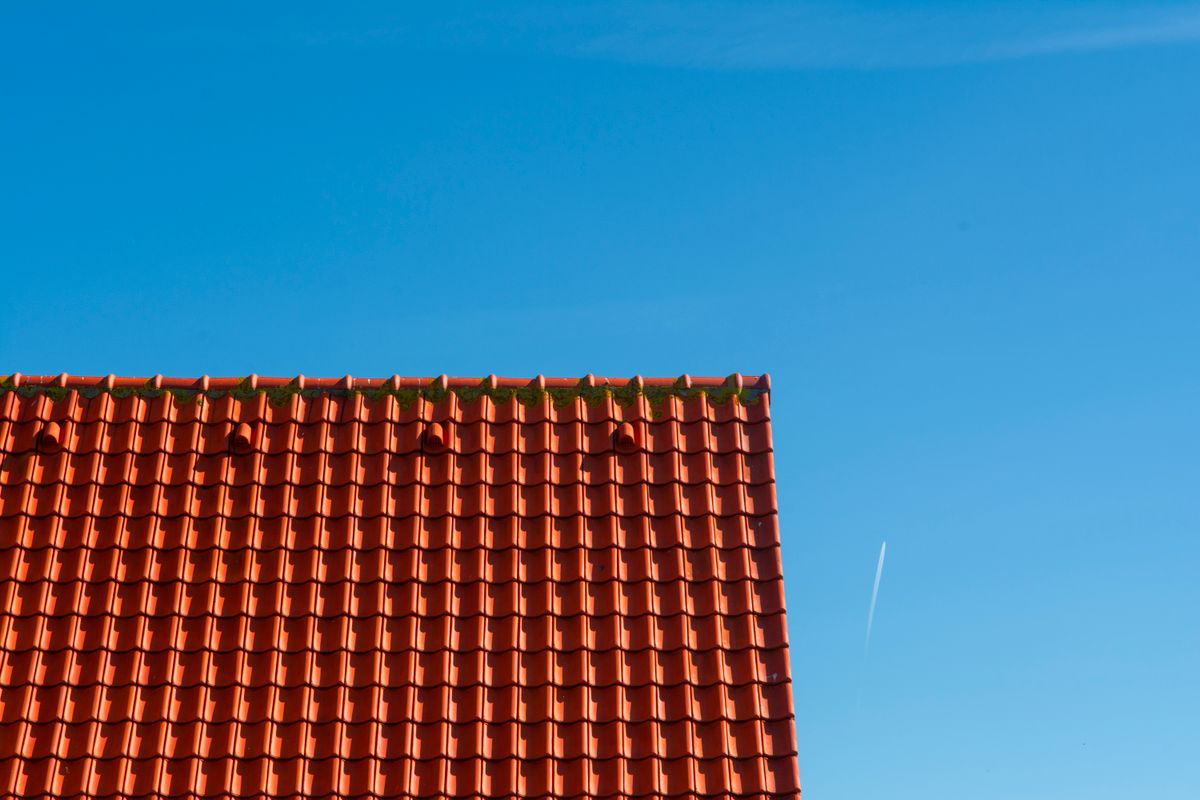
Most Fort Myers roofs are concrete tile, either the barrel profile or a flat interlocking tile, and the tile itself is not the fragile part. The fragile part is the underlayment beneath it and the fasteners holding it down. Tile carries weight badly at its edges and at the nose of each piece, so the real risk on a tile roof is foot traffic and ladder placement, not the cleaning solution. That is why we work from the perimeter wherever the layout allows, and why the route across a tile roof gets planned before anyone steps on it rather than during.
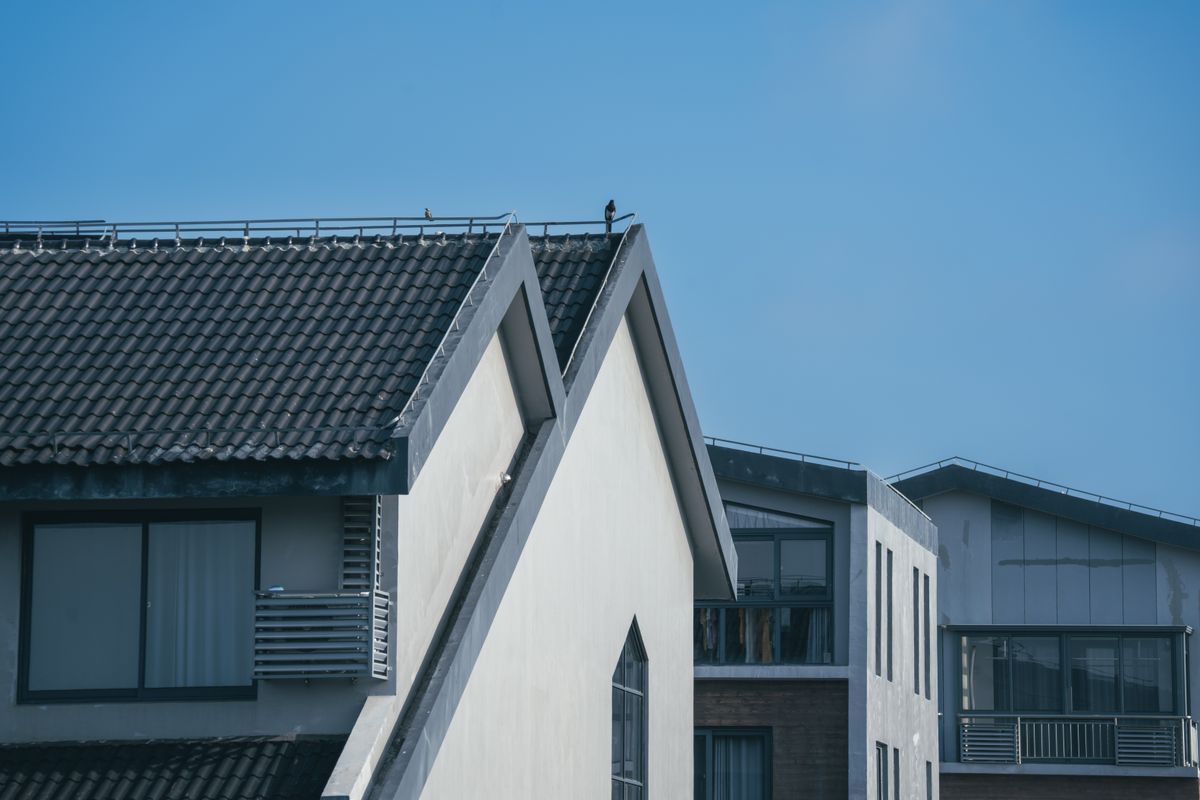
Architectural shingle is the opposite problem. The mat is tough enough to walk in cool conditions, but its entire weather defense is a layer of mineral granules pressed into asphalt, and those granules are finite. Every one washed into the gutter is protection that does not grow back. It is why the Asphalt Roofing Manufacturers Association's published guidance on algae discoloration points toward gentle, chemistry-led cleaning rather than pressure, and why a crew quoting a roof pressure wash on shingle is quoting damage. Metal, whether a standing-seam panel or the older 5V crimp still found on cottages near the River District, rinses easily but shows every scratch, and its factory coating is what keeps it from chalking, so it gets the lightest touch of the three.
Before any solution is mixed we walk the property, not the roof. We are looking for what the runoff will reach: planting beds tight against the wall, a pool, an air-conditioning condenser, a screen enclosure, a neighbor's driveway a few feet away on a zero-lot-line build. Landscaping gets saturated with plain water first, because wet foliage cannot take up much of anything else, then rinsed again at the end. Downspouts get attention too, since a gutter is where the lifted algae actually ends up.
The clean itself is mostly waiting. Solution goes on at a pressure closer to a garden hose than a washer, it is left to work, and only then is it rinsed. The dwell is doing the job, not the water. A roof that goes quiet for twenty minutes in the middle of a visit is a roof being cleaned correctly. Wash water is kept away from the pool and away from the storm drain at the curb, because Florida's Department of Environmental Protection treats what enters a storm drain as reaching surface water directly, and in this county that means the Caloosahatchee.
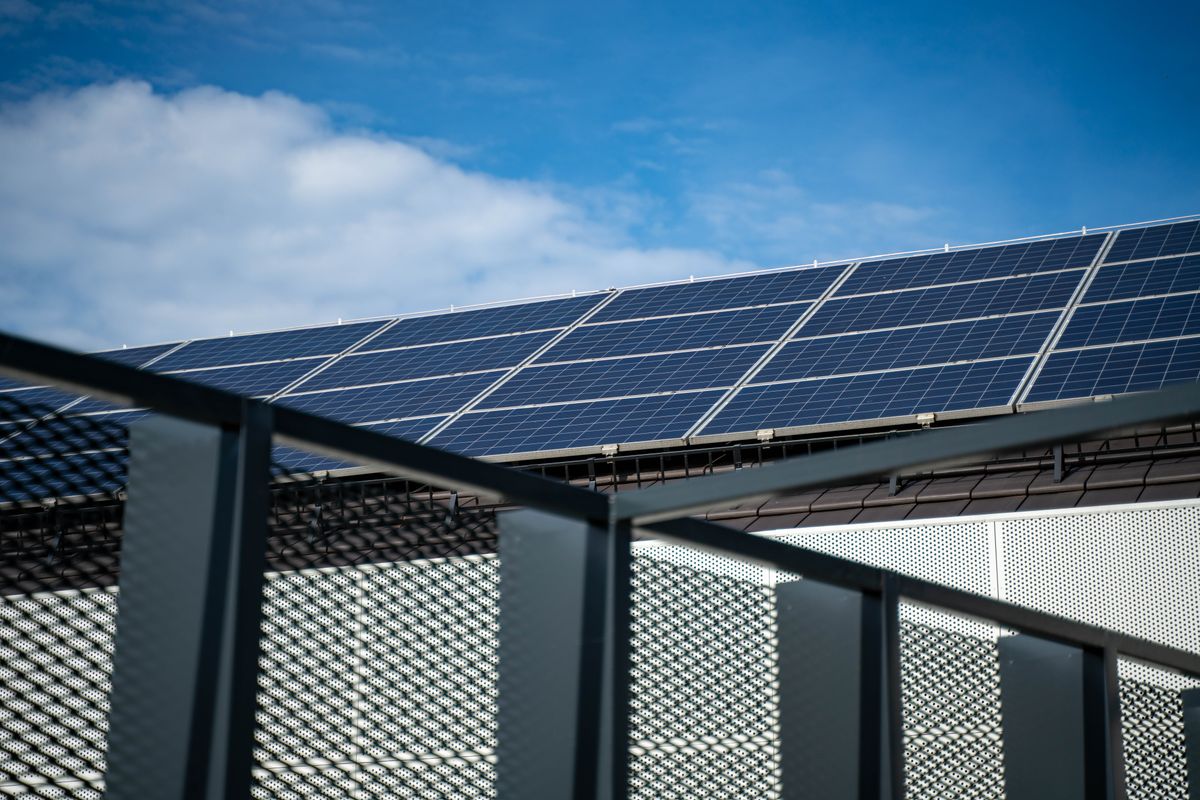
Nearly every home here has a screened enclosure, and it sits directly in the fall line of the roof above it. Screen mesh holds solution, aluminum framing streaks if residue dries on it, and the cage roof collects whatever comes off the tile. We rinse the enclosure as part of the roof visit rather than treating it as separate work, and when the cage itself needs cleaning it is better done in the same trip than a month later. Our pool deck and lanai cleaning covers that side of it. The same logic applies to an array on the roof: solar panels should be masked and rinsed as part of the plan, not discovered halfway through.
Some roofs should not be cleaned, and saying so is part of the service. Tile that has gone brittle and cracks underfoot, lifted or missing shingles, visible daylight from the attic, an active leak, or underlayment already at the end of its life - on those the honest answer is that a cleaning spends money on the symptom while the roof needs a roofer. Washing a failing roof does not extend it. It only makes the failure better lit.
From roughly June through September an afternoon storm is close to a daily event, and rain landing mid-dwell dilutes the solution and ends the visit early. That does not rule out summer, it makes it a morning job watched against the forecast. The dry season is easier to schedule, which is also why the calendar tightens from January onward. Wind matters as much as rain: a breezy day carries drift onto cars and neighboring property, and that is a legitimate reason to move a booking rather than push through it.
Regrowth here is measured in seasons rather than years, and the honest range is wide because it depends on where you sit. A shaded north slope under an overhanging live oak in the McGregor corridor will show streaks again long before an open, sun-baked roof out in Gateway. Closer to the water, salt and standing humidity push it faster still. Three things genuinely stretch the interval: cutting back the branches that keep a slope damp, keeping gutters clear so water is not sitting at the eave, and the zinc or copper strip approach, where rain washing over the metal carries a trace down the slope and suppresses growth. Our gutter brightening pairs naturally with a roof visit for exactly that reason. None of these are permanent. They buy time.
A large share of Lee County housing sits in deed-restricted communities, and roof appearance is one of the covenants that actually gets enforced. If a letter has already arrived with a deadline on it, mention that when you call. It changes how we schedule the work, not what we charge for it.
It does not change your roof's age, its underlayment, or how an insurer will assess it. Florida carriers have tightened what they will write on older roofs, and a clean roof is still an old roof - anyone implying otherwise is selling something. What a cleaning does do is remove the organism, stop lichen from rooting into the tile surface, and bring the color back. For the numbers behind the job, our Fort Myers roof cleaning cost guide breaks down what drives the price, and soft washing versus pressure washing goes deeper on the method question.
What we do
Soft-wash and pressure washing for every exterior surface - homes, driveways, tile roofs, pool cages, and businesses across Fort Myers and Lee County.

Low-pressure soft washing that clears mildew, salt haze, and Gloeocapsa staining from stucco and siding across Fort Myers.

Flat-surface cleaning that pulls algae, oil, and orange irrigation rust out of Lee County concrete and pavers.

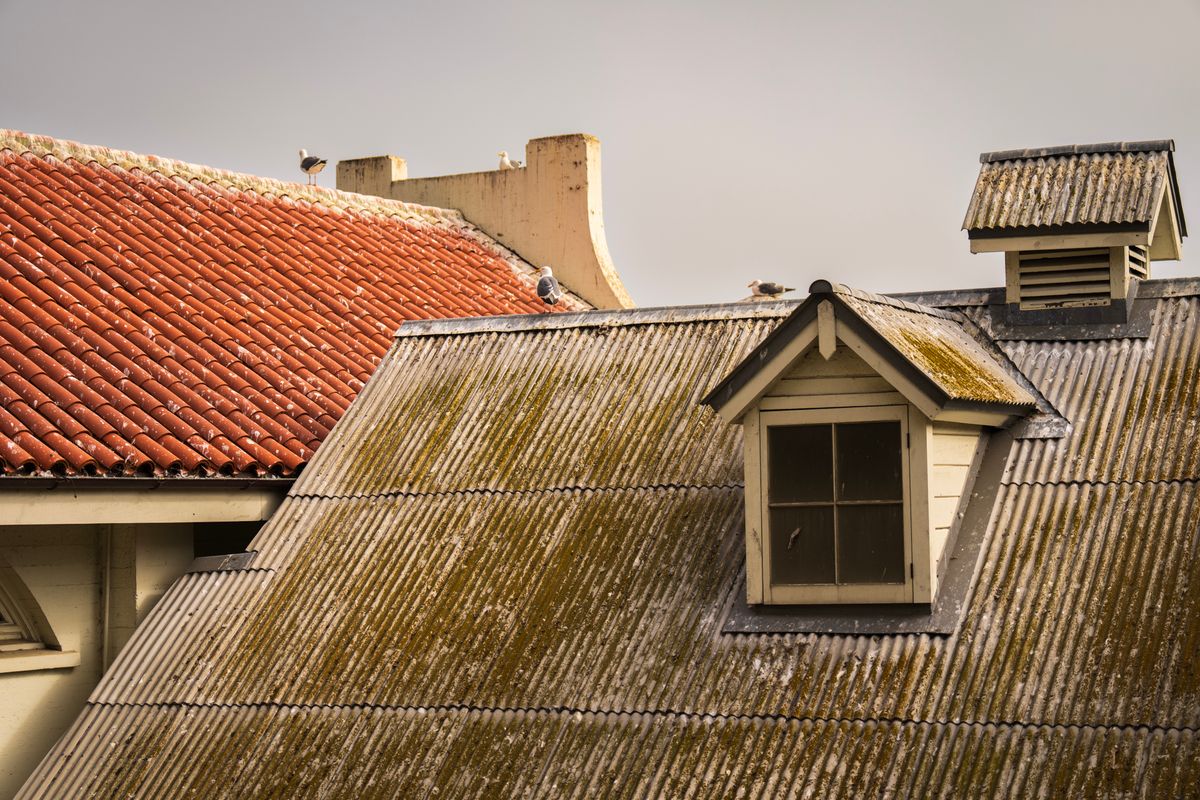
A no-pressure roof soft wash that kills the black streaks on tile and shingle without ever walking the roof hard.

Travertine, paver, and wood patios brought back from the slick green film that Gulf humidity leaves behind.

Hand-applied brightening that strips the oxidized black striping off gutter faces most rinses cannot touch.

Storefronts, plazas, and dumpster pads cleaned around your hours so Fort Myers customers see a sharp property.

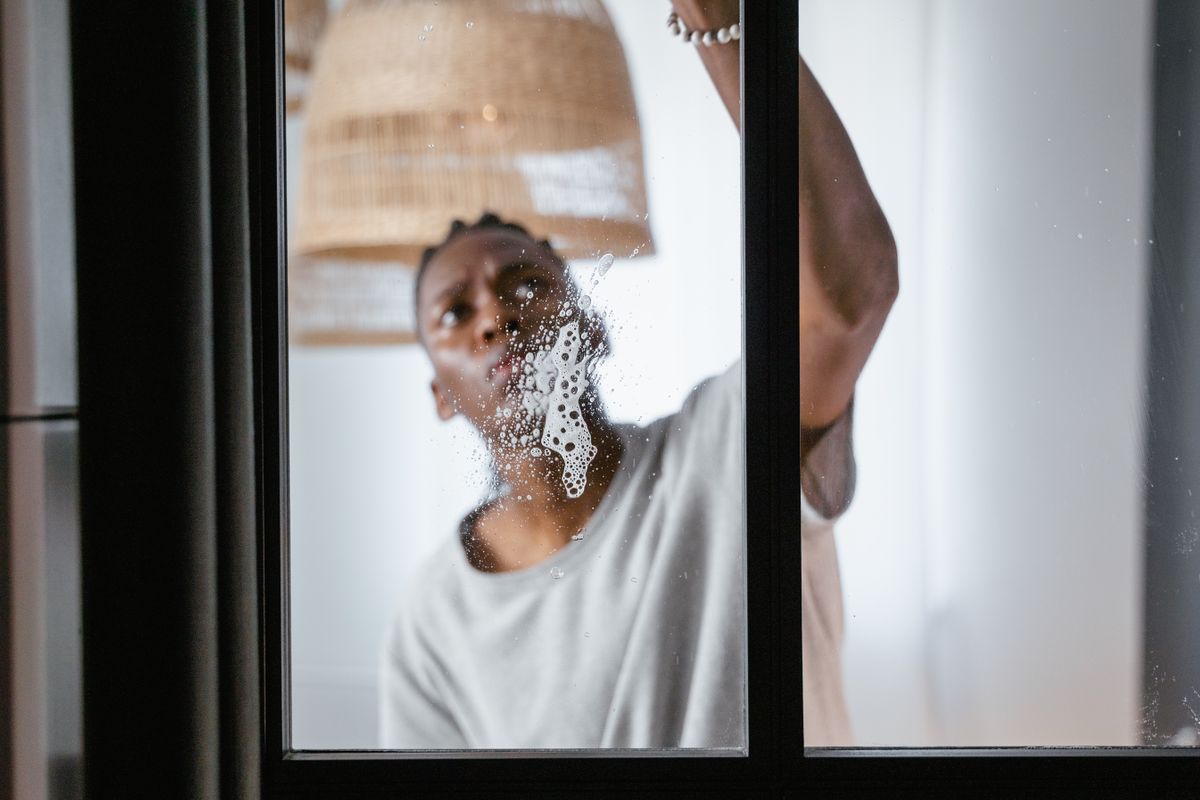
Purified-water window cleaning that clears salt spray and sprinkler spotting from panes, tracks, and screens.

Deionized-water panel washing that lifts pollen, dust, and salt film so your array produces what it should.

Screen cages, aluminum frames, and pool decks cleared of the mildew and algae that thrive under a Fort Myers cage.

A full clean, re-sand, and premium sealer that locks joint sand and shields pavers from salt, weeds, and UV.
How it works
Call or send a quick photo for a fast, no-obligation quote.
Clear, flat pricing before we start - no surprises.
We show up on time, blast the grime, and leave it spotless.
Free estimate
Tell us what needs cleaning in Fort Myers — we’ll reach out right away.
How we run a job
You get one firm figure for the agreed work up front. It does not move because the salt film needed an extra pass.
The crew on your Fort Myers property is licensed and insured and accountable for the work and the property both.
If any part of it is not right, say so and we will come back and correct it.
FAQ
Most Fort Myers roof cleaning jobs land between $300 and $600 flat, depending on roof size, type (tile, shingle, or metal), and how much Gloeocapsa streak growth has built up. A single-story home with a shingle roof sits near the bottom; a 2-story tile roof with heavy algae on a Gulf-view lot runs toward the top. Send photos or call (239) 382-6804 for a fixed quote before anything starts.
Not for shingles or tile - high pressure strips granules off shingles and risks cracking tile. We use soft-wash chemistry at low pressure that kills the Gloeocapsa at the root so it stays clean longer. Safe on concrete barrel tile, flat interlocking tile, architectural shingle, and metal roofs across Lee County.
The dark streaks are Gloeocapsa magma, a cyanobacteria that feeds on the limestone in modern asphalt shingles and thrives in Florida's daily storms, humidity, and salt air. High pressure won't kill it at the root - soft-wash chemistry does. That's why we use a low-pressure chemical treatment that kills the organism, not just rinses it off.
Most roofs in Lee County want attention every 18-24 months in inland areas like Lehigh Acres, or every 12-18 months near the coast where salt accelerates regrowth. If you have an HOA deadline or the streaks are already back, call sooner - we can do it before the next storm season.
Yes - our soft-wash method includes solar panels, with deionized water and gentle brushes. We mask panels before cleaning the roof area and rinse them separately with no abrasive contact. It is part of our standard roof cleaning service across Fort Myers and Lee County.
More in Fort Myers
Upfront, flat pricing and satisfaction guaranteed — get your free quote today.
Service area
Local pressure washing crews covering Fort Myers, FL and nearby communities. Exterior permits and downtown code questions here in the Lee County seat run through the City of Fort Myers.